Deadlines & Filing
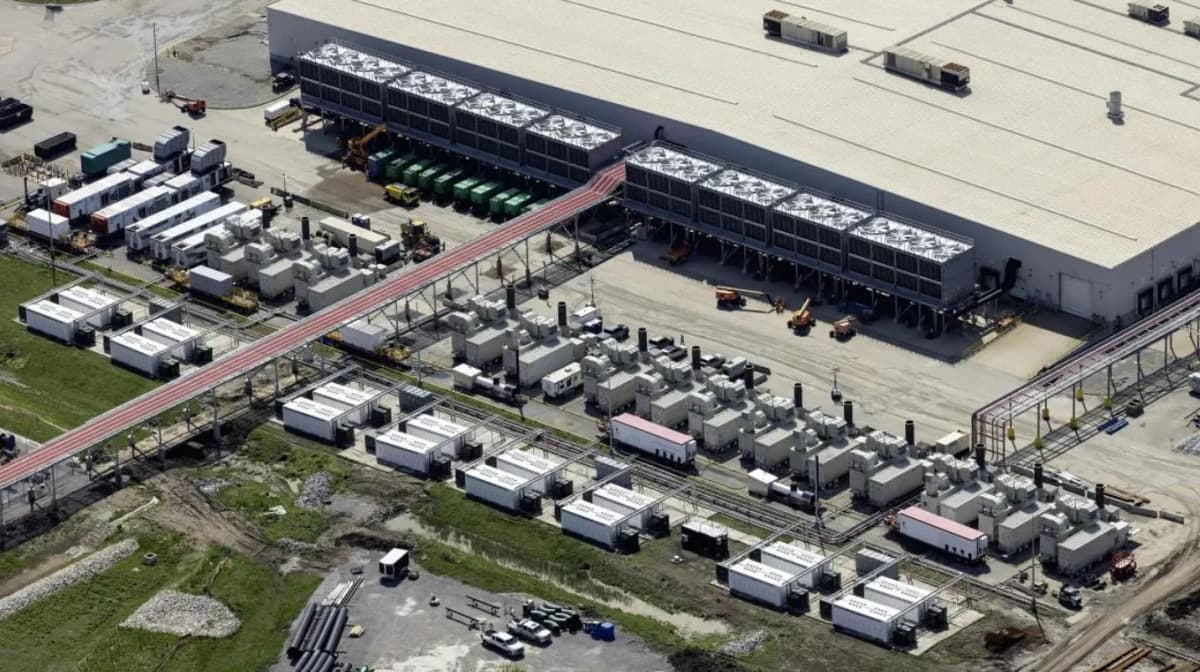
A federal judge has rejected the Trump administration's attempt to dismiss an NAACP lawsuit over gas-fired turbines powering xAI's Mississippi data center. Learn how the Clean Air Act, environmental permitting rules, citizen lawsuits, and EPA authority could shape the case and future AI infrastructure projects.
Artificial intelligence is transforming the technology industry, but the infrastructure powering it is creating a new legal challenge: Can a technology company rapidly build and operate its own gas-fired power plant without complying with the environmental permitting requirements that ordinarily apply to major sources of air pollution?
That question is at the center of a lawsuit brought by the National Association for the Advancement of Colored People (NAACP) against xAI and its subsidiary, MZX Tech, over gas-fired turbines in Southaven, Mississippi. The turbines support computing infrastructure associated with xAI's Colossus 2 data center in the Memphis metropolitan area.
On October 20, 2026, a federal judge rejected the Trump administration's effort to dismiss the lawsuit on behalf of the Environmental Protection Agency (EPA). The dispute concerns more than the operation of a particular facility. It also raises questions about the Clean Air Act, the government's authority to intervene in environmental litigation, and the ability of community organizations to challenge alleged pollution.
The ruling did not establish that xAI had violated environmental law. Instead, it addressed whether the EPA could use the legal mechanism it proposed to end the plaintiffs' lawsuit. The underlying environmental claims remain distinct from that procedural question.
For businesses building energy-intensive AI infrastructure, the case illustrates why speed, investment, and technological innovation do not eliminate the need to examine applicable environmental rules. For residents and community organizations, it highlights the role courts can play when government agencies, companies, and affected communities disagree over environmental enforcement.
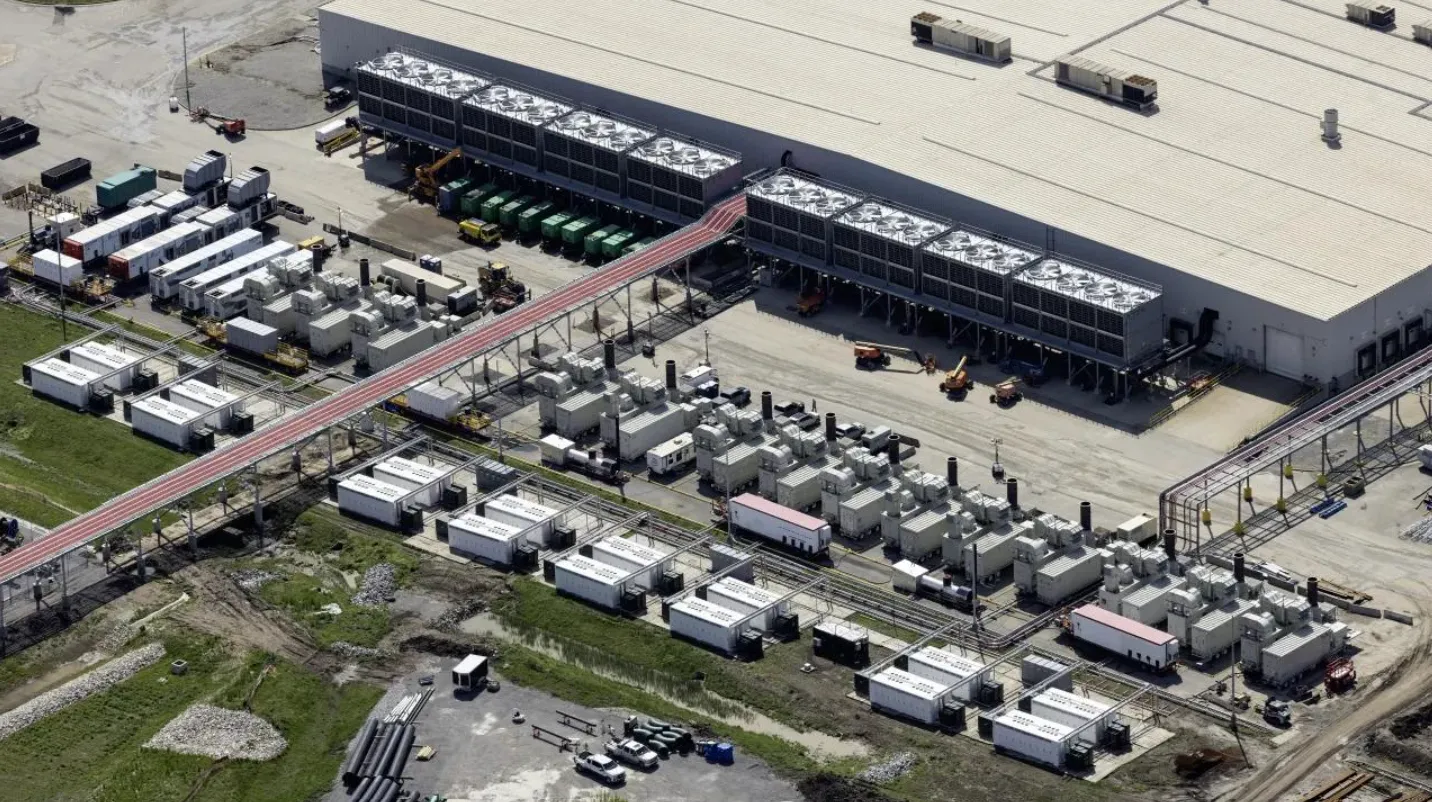
The lawsuit was filed in April 2026 by the national NAACP and the Mississippi State Conference of the NAACP against xAI Corp. and MZX Tech LLC. The plaintiffs allege that gas-fired turbines in Southaven were constructed and operated without the air permits required under the Clean Air Act.
According to the complaint, the turbines provide electricity for computing infrastructure associated with xAI's Colossus 2 data center. The plaintiffs contend that the operation constitutes a major source of air pollution and should be subject to the permitting and pollution-control requirements applicable under federal law.
The NAACP is represented by environmental legal organizations, including the Southern Environmental Law Center and Earthjustice. Its lawsuit seeks court intervention over the alleged operation of turbines without the necessary permits and the pollution-control measures the plaintiffs argue should apply.
These allegations have not been established as final findings of liability. xAI and its affiliate have disputed the claims, including the characterization of the turbines and whether the applicable permitting requirements were triggered. The legal proceedings must determine the issues under the governing law and the evidence presented.
The controversy emerged as technology companies sought to expand the computing capacity required to develop and operate advanced AI systems. Large data centers consume substantial amounts of electricity, and some operators have turned to on-site power generation to support their facilities.
That approach can offer operational advantages, particularly where grid capacity or power availability is a concern. However, generating electricity with gas-fired turbines can also raise air-quality and permitting questions that do not disappear simply because the electricity is used by a data center rather than sold by a traditional utility.
The lawsuit therefore sits at the intersection of technology development, energy infrastructure, public health, and environmental regulation.
The latest development concerned the federal government's attempt to end the NAACP's lawsuit.
The Trump administration, acting on behalf of the EPA, argued that the agency had authority under the Clean Air Act to terminate the litigation. U.S. District Judge Debra Brown rejected that attempt on October 20, 2026.
As reported by Reuters, the judge concluded that although the EPA could intervene in the case, it could not unilaterally dismiss the plaintiffs' lawsuit through the approach it had advanced unless it pursued a related enforcement action itself.
The distinction is important. A government agency's ability to participate in a lawsuit does not necessarily mean it can automatically take control of the case or prevent private plaintiffs from pursuing claims authorized by Congress.
The ruling also should not be confused with a final decision on whether the turbines violate the Clean Air Act. The judge's decision addressed the government's effort to dismiss the case, not the ultimate merits of every environmental allegation.
The case can continue through further proceedings, where the court may consider questions about permitting obligations, the operation of the turbines, potential pollution controls, and the remedies available under the statute.
For environmental-law observers, the ruling raises a broader institutional question: When a federal agency chooses not to pursue a particular enforcement strategy, can qualifying private plaintiffs continue their own legal action?
The answer depends on the statute, the procedural posture of the case, and the specific relief requested. The ruling in the xAI litigation is significant because it addresses those boundaries in the context of a fast-growing industry with substantial energy demands.
The Clean Air Act is a major federal statute governing air pollution in the United States. It establishes a framework for regulating emissions from stationary sources, vehicles, and other pollution-producing activities.
For industrial facilities, the law can require permits, emissions limits, monitoring, and pollution-control technology, depending on the source, its emissions, its location, and the applicable regulatory program.
Not every generator or turbine automatically requires the same permit. The legal analysis can depend on factors such as the equipment's capacity, whether the source is treated as stationary or portable, how it is operated, the emissions involved, and the rules implemented by the state and federal government.
For certain major sources, the Clean Air Act's permitting programs can require an assessment of available pollution-control technology before construction or operation. Other requirements may apply under state implementation plans and federal regulations.
These requirements are designed to make environmental obligations part of the planning and operation of covered facilities. They can affect equipment selection, construction schedules, emissions monitoring, and operating costs.
A company cannot determine its legal obligations solely by calling its equipment temporary or portable. Regulators and courts may need to examine how the equipment is actually used and how the relevant legal definitions apply.
At the same time, the existence of gas-fired turbines does not by itself prove that a particular facility has violated the law. The relevant permitting rules must be applied to the specific facts.
In the xAI dispute, the plaintiffs argue that the operation required permits and appropriate pollution controls. The defendants have disputed the allegations. Those questions remain central to the underlying case.
AI systems depend on computing infrastructure that can require substantial electrical power. Training and operating advanced models involves large numbers of processors, cooling equipment, networking systems, and supporting infrastructure.
As demand grows, developers are competing to secure reliable electricity. In some locations, data center operators have explored on-site generators or larger power installations to reduce dependence on the existing grid or to meet demanding construction schedules.
These decisions create legal and regulatory questions that extend beyond traditional technology law.
Data center construction can move quickly, particularly when companies compete to develop computing capacity. Environmental review and permitting, however, follow statutory and administrative requirements that may involve technical assessments, applications, public participation, and agency decisions.
The business pressure to bring a facility online does not automatically excuse compliance with applicable environmental rules. If a project requires a permit, the operator must assess that requirement before proceeding with activities covered by the law.
Gas-fired generators can release pollutants, including nitrogen oxides and other emissions depending on the equipment and its operation. The potential effects depend on the emissions profile, operating hours, pollution controls, weather, location, and surrounding conditions.
Residents near a facility may be concerned about cumulative pollution, particularly in areas that already experience environmental burdens from industrial activity or transportation.
In the Mississippi litigation, the NAACP argues that nearby communities face risks from the turbines' emissions and that the relevant legal safeguards should apply. These are claims advanced by the plaintiffs, not a substitute for the court's eventual findings or a complete site-specific health assessment.
The dispute also highlights environmental-justice concerns. Community groups argue that decisions about major industrial infrastructure should account for the people living near the facilities, including whether they have meaningful opportunities to challenge potentially harmful operations.
A data center that generates its own electricity does not necessarily fall outside the environmental rules that govern power-producing equipment.
The legal treatment depends on the facility's design and operation and on the relevant statutes and regulations. A company may have to consider air permits, emissions standards, state requirements, and other obligations before installing or operating generation equipment.
For developers, the lesson is that an energy strategy should be assessed as part of the project's legal planning rather than treated as a separate operational detail.
The EPA plays a central role in administering and enforcing federal air-pollution laws. Depending on the statute and circumstances, the agency may investigate alleged violations, pursue enforcement actions, issue administrative orders, participate in litigation, or work with state regulators.
But the government's authority is not unlimited. Congress determines what powers a statute grants, and courts interpret those provisions when disputes arise.
The Clean Air Act includes a citizen-suit mechanism that, under specified conditions, allows eligible individuals or organizations to bring legal actions against alleged violations. These lawsuits can provide an enforcement route when plaintiffs believe a covered violation is continuing or when the responsible government authorities have not provided the relief they seek.
Citizen suits also have procedural requirements. Plaintiffs may need to provide advance notice, satisfy statutory standing requirements, and comply with restrictions that apply when government enforcement proceedings are already underway.
The details matter because citizen suits are not a general authorization to sue over every environmental disagreement. A plaintiff must establish that the law permits the claim and that the applicable requirements have been met.
The xAI case concerns the relationship between the EPA's role and the plaintiffs' ability to continue their own lawsuit. The administration argued that the agency could end the litigation under its interpretation of the Clean Air Act. Judge Brown rejected that approach, according to Reuters, while recognizing the EPA's ability to intervene.
The distinction illustrates a broader principle of administrative law: An agency's participation in litigation does not automatically give it every power that might be convenient for its preferred enforcement policy. Courts must determine whether the statute authorizes the specific action the agency seeks to take.
The ruling does not mean the EPA has no enforcement authority, nor does it establish that every citizen suit must proceed regardless of the circumstances. It addresses the legal authority asserted in this particular dispute.
A citizen suit is a legal action that a qualifying private party may bring when a statute authorizes such litigation and its requirements are satisfied.
Under the Clean Air Act, the citizen-suit provision, 42 U.S.C. § 7604, allows certain actions involving alleged violations of emissions standards or limitations and certain failures by government officials to perform nondiscretionary duties.
The provision includes limitations. For example, notice requirements can apply, and a citizen suit may be restricted when the EPA or a state is already pursuing a qualifying enforcement action. The precise statutory language and procedural history must be examined to determine how those restrictions apply.
Citizen suits can serve several functions. They can bring alleged violations before a court, seek compliance with legal requirements, and encourage enforcement of obligations that might otherwise remain contested.
However, a lawsuit is not proof of wrongdoing. Plaintiffs must establish the elements of their claims, and defendants can challenge the facts, legal theories, standing, jurisdiction, and requested remedies.
In the xAI case, the plaintiffs are pursuing environmental claims against the company and its affiliate. The October 20 ruling addressed the federal government's attempt to dismiss that lawsuit; it did not resolve every question about the turbines' permitting status.
The case may proceed through further litigation over the alleged Clean Air Act violations and the remedies the plaintiffs are seeking.
Several issues could become important as the proceedings continue.
The parties may contest the applicable regulatory classification of the equipment, the way the turbines operate, and whether the emissions and operating circumstances trigger the permitting requirements identified by the plaintiffs.
The plaintiffs have sought court intervention to restrict operations they allege violate the law. A preliminary injunction is an extraordinary remedy, and courts generally evaluate factors such as the likelihood of success on the merits, the risk of irreparable harm, the balance of equities, and the public interest.
A request for an injunction is not the same as an order granting one. The court must evaluate the evidence and legal standards applicable to the requested relief.
If a court ultimately finds that legal requirements have been violated, the available remedies will depend on the statute, the claims established, and the circumstances. Potential relief in environmental litigation can include orders requiring compliance, restrictions on unlawful operations, and civil penalties where authorized.
It would be premature to predict which remedies, if any, will ultimately be imposed in this case.
Parties may consider available procedural options after an adverse ruling. Whether a particular order can be appealed immediately or challenged later depends on the nature of the order and applicable appellate rules.
Any further court decisions could clarify the limits of agency authority and the application of citizen-suit provisions to similar disputes.
The lawsuit is a reminder that building AI infrastructure involves more than computing hardware, software development, and electricity procurement. It can also require detailed analysis of environmental permits, emissions limits, and the regulatory responsibilities associated with power generation.
Companies planning on-site generation should identify the applicable federal and state requirements early. They should confirm how equipment is classified, evaluate whether construction or operating permits are necessary, maintain reliable emissions records, and document communications with regulators.
They should also avoid assuming that a regulator's preliminary statement, informal communication, or decision not to act will resolve every legal issue. The effect of an agency determination depends on its legal basis, scope, and relationship to other applicable requirements.
For investors and business partners, environmental compliance can influence project schedules, operating costs, litigation exposure, and long-term planning. A dispute may create uncertainty even before a court reaches a final decision.
For the technology sector more broadly, the case shows why energy infrastructure deserves serious legal attention as AI expands. Companies can pursue innovation while still evaluating the environmental requirements that apply to the physical facilities supporting their products.
Communities near major industrial facilities may have concerns about emissions, noise, land use, and the cumulative effects of development. Environmental statutes can provide tools for addressing certain violations, but access to those tools depends on legal requirements and the facts.
Residents who believe a facility is operating unlawfully can document their concerns, review publicly available permits and regulatory records, and contact the relevant environmental agency. Community organizations may also be able to explain available public-participation procedures and legal options.
Anyone considering litigation should understand that standing, notice requirements, evidence, deadlines, and statutory limitations can be decisive. General concern about pollution does not automatically establish every element of a legal claim.
In environmental cases, accurate records are especially valuable. Permit documents, agency correspondence, emissions reports, monitoring data, and properly documented observations may help clarify what is happening and which rules apply.
Communities should also distinguish between allegations, scientific evidence, agency determinations, and judicial findings. Each has a different role in evaluating an environmental dispute.
The xAI environmental lawsuit highlights a growing legal challenge for the AI industry: how to expand energy-intensive computing while complying with environmental laws that regulate the infrastructure supplying its power.
The NAACP alleges that xAI and its affiliate operated gas-fired turbines in Mississippi without the permits required under the Clean Air Act. The companies have disputed the allegations, and the ultimate merits of the environmental claims remain separate from the latest procedural ruling.
On October 20, 2026, a federal judge rejected the Trump administration's attempt to dismiss the lawsuit on the EPA's behalf. The decision addressed the agency's asserted authority to terminate the litigation; it did not establish that xAI had violated the law.
The case could have wider significance for the relationship between environmental agencies, private citizen suits, and rapidly expanding industrial infrastructure. Its ultimate impact will depend on further proceedings and the application of the Clean Air Act to the facts.
For AI companies, the practical message is to evaluate permitting obligations early and treat environmental compliance as part of infrastructure planning. For communities, the case demonstrates that federal environmental statutes may provide avenues to challenge alleged violations, subject to their specific legal requirements.
As AI data centers demand more power, the law will continue to shape where and how the infrastructure can operate. Readers looking for additional guides on legal developments, consumer issues, and everyday decisions can explore Jurnza, Finiuo, and Dryzen Royal.

Written by
BeastBeast is a seasoned legal content creator and law research specialist with 15+ years of experience in legal writing, legal research, and publishing educational law content. Specializing in Personal Injury, Family, Business, Immigration, Criminal, Tax, and Real Estate Law, Beast creates accurate, well-researched, and SEO-optimized legal guides that help readers understand complex legal topics with confidence. Every article is written with a focus on accuracy, trust, and Google's E-E-A-T guidelines, making Jurnza.com a reliable source for legal information and legal services.
