Deadlines & Filing

Wrongful termination occurs when an employee is fired in violation of an applicable employment law, contract, or other legal protection. Learn how at-will employment works, when a termination may be unlawful, what employee rights may apply, what evidence to preserve, and when seeking advice from an employment lawyer may be appropriate.
Losing a job can be stressful, especially when you believe the termination was unfair or connected to something unlawful. In the United States, however, an unfair firing is not automatically a wrongful termination under the law. Many employees work under the at-will employment system, which generally allows an employer to end employment without cause, provided the reason is not unlawful. At the same time, federal and state laws protect employees from certain forms of discrimination, retaliation, and other prohibited employment practices.
Understanding the difference between an unpleasant termination and a potentially unlawful one is important. This guide explains what wrongful termination can mean, situations that may give rise to a legal claim, employee rights after being fired, evidence that may matter, and when speaking with an employment lawyer may be appropriate. Because employment laws vary by state and circumstances, employees should consider the rules that apply to their particular situation.

Wrongful termination generally refers to a situation in which an employee claims that their firing violated an employment contract, public policy, or an applicable employment law. The concept is broader than simply being fired without a good reason. In many U.S. workplaces, an employer can legally terminate an at-will employee for a wide range of reasons, including poor performance, business changes, or restructuring, as long as the termination does not violate applicable law.
A termination may become legally significant when the employee was fired because of a protected characteristic, in retaliation for protected activity, or in violation of another legal protection. Contract terms and state-law exceptions to at-will employment can also affect whether an employee has a potential wrongful-termination claim.
For that reason, employees should avoid assuming that an unfair-feeling dismissal automatically establishes a legal violation. The reason for the termination, surrounding circumstances, employment agreement, employer policies, communications, and applicable state and federal laws can all matter.
At-will employment is the default employment arrangement in most U.S. states. Generally, it allows either the employer or employee to end the employment relationship at any time, subject to exceptions created by law or agreement. Montana is an important exception because its law generally provides additional protections against termination after an employee completes the probationary period.
At-will employment does not mean employers can fire workers for any reason whatsoever. For example, federal employment discrimination laws prohibit covered employers from making certain employment decisions because of protected characteristics such as race, color, religion, sex, national origin, disability, age, or genetic information.
State law may also recognize exceptions to the at-will rule. Depending on the jurisdiction, these can include termination that violates public policy, an implied employment agreement, or certain duties of good faith and fair dealing. The exact requirements differ substantially from state to state.
One of the most important areas of employment law involves discrimination. Federal laws enforced by the U.S. Equal Employment Opportunity Commission protect workers against certain forms of employment discrimination involving race, color, religion, sex, national origin, disability, age for workers 40 and older, and genetic information. These protections can apply to decisions involving hiring, firing, compensation, promotions, training, benefits, and other employment conditions.
For example, if an employee is terminated because of a protected characteristic rather than a legitimate employment-related reason, the circumstances may warrant further legal review. However, determining whether discrimination actually occurred requires looking at the evidence and applicable law rather than relying solely on the employee's belief about why the termination happened.
Employees can have legal protection when they report discrimination or participate in an employment discrimination investigation or proceeding. The EEOC explains that retaliation can include punishing an employee for reporting discrimination, participating in an investigation or lawsuit, or opposing conduct the employee reasonably believes violates employment discrimination law.
Retaliation is not limited to firing. Depending on the circumstances, other materially adverse actions may also qualify, including demotion, suspension, denial of benefits, or other conduct that could discourage a reasonable person from engaging in protected activity.
At the same time, making a discrimination complaint does not give an employee immunity from legitimate workplace discipline. Employers can still take action for genuine performance problems or misconduct. Whether a termination was legitimate or retaliatory depends on the facts and evidence.
Anti-retaliation protections can extend beyond discrimination complaints. Federal workplace laws protect employees in certain circumstances when they exercise rights provided by those laws.
For example, the Fair Labor Standards Act protects covered workers from retaliation for filing certain wage or overtime complaints or cooperating with an investigation. OSHA also enforces protections against retaliation for certain workplace safety activities, including reporting safety concerns and participating in inspections or investigations.
The exact protection depends on the law involved, the employee's conduct, the employer, and the circumstances. Employees should therefore identify the specific workplace right involved rather than assuming every complaint receives the same legal protection.
Some states recognize a wrongful-discharge claim when an employee is fired for reasons that violate an established public policy. Examples can involve employees being punished for exercising certain legal rights or engaging in conduct that public policy protects.
The public-policy exception is generally a limitation on the at-will employment rule, but the requirements vary by state. What qualifies as a public-policy violation in one jurisdiction may not create the same claim somewhere else.
An employment contract can change the legal analysis surrounding termination. Some employees have written agreements specifying a term of employment, grounds for termination, or procedures that must be followed before employment ends.
In some circumstances, an employee handbook, employer statements, established workplace practices, or other conduct may also be relevant when determining whether an implied employment agreement exists. Whether an implied contract is legally recognized depends on applicable state law and the particular facts.
If you believe your termination may have been unlawful, taking practical steps early can help preserve relevant information and clarify what happened.
Save documents that may help establish the circumstances surrounding your employment and termination. Depending on the situation, relevant materials may include:
Employees should preserve materials lawfully and avoid taking confidential business information that they are not entitled to possess.
Create a factual timeline while events are still fresh. Note important dates, conversations, complaints, disciplinary actions, changes in treatment, and the termination itself.
A clear timeline can help an employee and an attorney understand whether events occurred close together and whether there are documents or witnesses that may support or contradict the employee's account.
Coworkers or other individuals who directly observed relevant events may have useful information. Their testimony can sometimes help establish what was said, how workplace decisions were handled, or whether similar employees were treated differently.
However, employees should not pressure coworkers to provide a particular story. The goal is to preserve accurate information rather than create evidence.
Pay attention to what the employer actually said about why the employment ended. Compare that explanation with earlier performance reviews, disciplinary records, emails, and other contemporaneous documents.
A change in the employer's explanation can sometimes become relevant, but it does not automatically prove unlawful conduct. The significance of any inconsistency depends on the facts and applicable law.
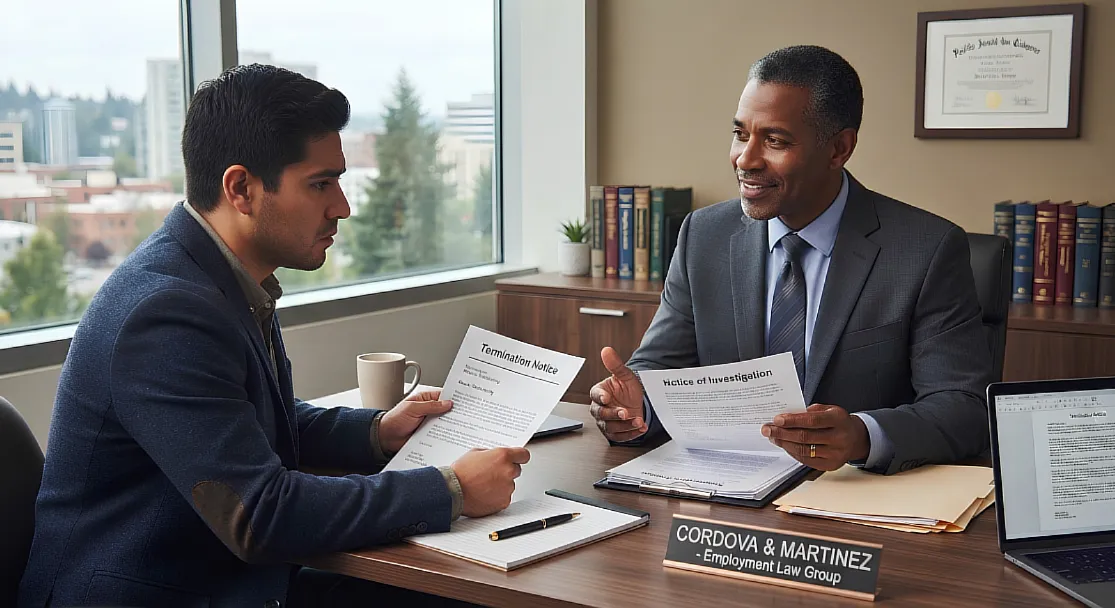
Wrongful termination cases are often fact-intensive. Useful evidence can include written communications, employment agreements, personnel records, performance evaluations, disciplinary documentation, witness accounts, and records of complaints or protected activity.
The type of evidence needed depends on the legal theory involved. For example, a discrimination claim may require evidence concerning how the employee was treated in comparison with other workers, while a retaliation claim may focus on the timing and connection between protected activity and an adverse employment action.
An employee does not necessarily need a document explicitly stating an unlawful reason for termination. Employment decisions can be evaluated using the surrounding circumstances and available evidence. At the same time, suspicion alone does not establish a legal claim.
The rights and remedies available after a termination depend on the applicable federal, state, and sometimes local law. Potential remedies can vary considerably depending on the type of violation and the circumstances.
Depending on the claim, remedies may potentially involve lost wages, reinstatement, compensatory damages, other forms of relief, or administrative remedies. Some laws also impose specific procedures and deadlines for pursuing a claim.
For discrimination-related claims under federal law, the EEOC provides processes through which eligible individuals can raise employment discrimination and retaliation concerns. The applicable deadlines and procedural requirements can depend on the type of claim and jurisdiction. Employees should therefore avoid assuming that they have unlimited time to act.
Timing can become an important factual issue when an employee is terminated soon after making a protected complaint or participating in a protected activity.
For example, an employee who reports alleged workplace discrimination and is terminated shortly afterward may want to preserve the complaint, related communications, performance records, and termination documents. The timing alone does not establish retaliation, but it can be part of the evidence considered in evaluating the circumstances.
The EEOC identifies three central elements in a retaliation claim: protected activity, a materially adverse action, and a causal connection between the protected activity and the employer's action.
Generally, employers can discipline or terminate employees for legitimate performance or conduct reasons, including in circumstances where the employee has previously made a protected complaint. Anti-retaliation laws do not automatically prevent an employer from enforcing legitimate workplace standards.
The legal question can become more complicated when an employer's stated performance reason appears inconsistent with earlier records or when the timing and circumstances suggest that a protected activity influenced the decision.
This is why documentation matters. A performance review from months before termination may provide a different picture from an explanation first given after the employee complained about discrimination.
Not every termination requires an attorney, but legal advice may be useful when the circumstances involve discrimination, retaliation, an employment contract, whistleblower protections, wage complaints, workplace safety complaints, or another potentially protected activity.
An employment lawyer can review the circumstances, identify potentially relevant laws, evaluate available evidence, explain procedural requirements, and discuss possible options. The lawyer may also help determine whether an administrative complaint, negotiation, lawsuit, or another legal process is appropriate.
When choosing an attorney, consider their experience with employment law and the type of issue involved. It can also be useful to ask about fees, communication expectations, potential timelines, applicable deadlines, and whether the lawyer handles cases involving the relevant federal or state law.
Employees dealing with a potentially wrongful termination should be careful about what they do next. Several practical mistakes can make an already difficult situation harder to evaluate.
Deleting messages or documents: Important evidence may disappear if relevant emails, texts, evaluations, or notices are deleted.
Posting accusations publicly: Social media posts can create additional complications. Keeping a factual private record is generally more useful than publicly discussing allegations.
Ignoring deadlines: Employment claims can have strict administrative or court deadlines. The applicable deadline depends on the legal claim and jurisdiction.
Assuming unfair means illegal: An employer's decision can feel unfair without necessarily violating employment law, particularly in an at-will employment relationship.
Taking confidential company information: Preserving evidence does not mean taking trade secrets, customer databases, privileged materials, or other information an employee has no right to possess.
Confronting former coworkers aggressively: Witnesses may have useful information, but pressuring people can complicate matters and undermine credibility.
The distinction between an unfair termination and a wrongful termination is important.
An employer may make a decision that an employee considers unfair, unreasonable, or poorly handled without necessarily violating the law. At-will employment generally gives employers substantial discretion to terminate employees, subject to applicable legal restrictions.
A wrongful termination claim requires a legal basis. That might involve discrimination, retaliation, breach of contract, violation of public policy, or another protection established by federal or state law.
Because the distinction is highly dependent on the circumstances, employees should focus on identifying why the termination occurred, what protections may apply, and what evidence supports the explanation.
Consider seeking legal guidance promptly if your termination involved circumstances such as:
An attorney can help determine whether the facts potentially fit a recognized legal claim and what steps may be available. Because employment laws and filing requirements vary, getting advice early can be particularly important when a deadline may apply.

Wrongful termination is not simply a question of whether a firing was fair. In the United States, the legal analysis depends on the reason for the termination, the employee's employment arrangement, applicable federal and state protections, contractual obligations, and the evidence surrounding the decision.
Employees who suspect unlawful termination should preserve relevant records, document the events leading to the firing, avoid unnecessary public discussion, and pay attention to potential filing deadlines. When discrimination, retaliation, protected workplace activity, contractual rights, or another legal issue may be involved, an employment lawyer can help explain the options available under the laws that apply to the situation.
Written by
FranklyFrankly is a legal researcher and content writer at Jurnza, specializing in legal services, legal tools, legal guides, and law-related educational content. Frankly researches topics including business law, family law, immigration law, personal injury law, tax law, employment law, and real estate law to create accurate, easy-to-understand, and up-to-date resources that help readers make informed legal decisions.
