Deadlines & Filing
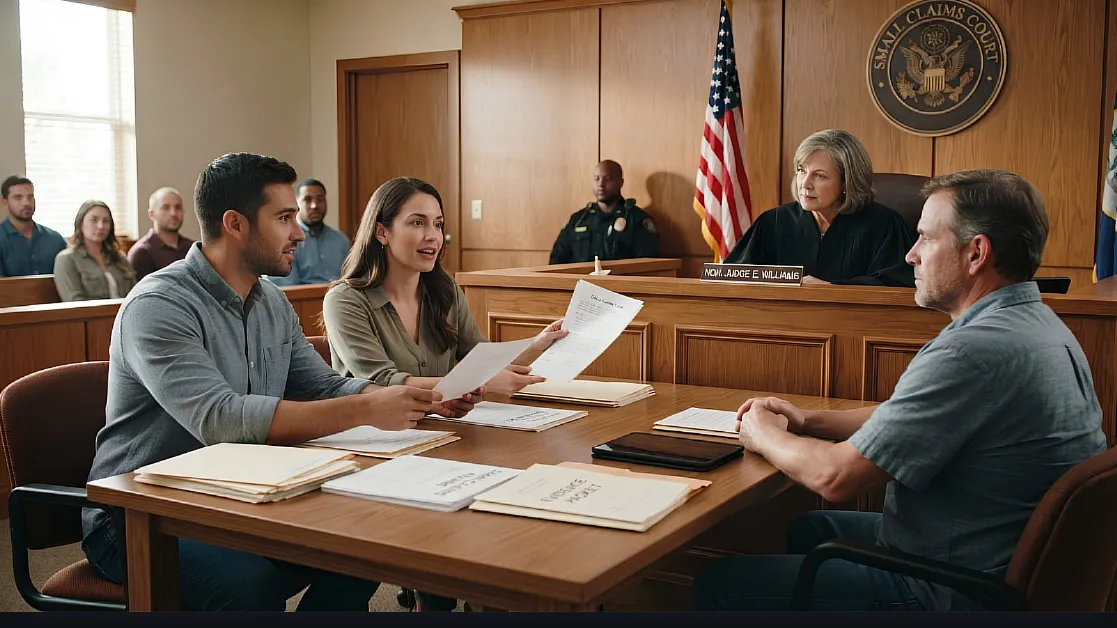
Small claims court provides a simplified way to resolve certain lower-value civil disputes involving money, property damage, debts, contracts, and other claims. Learn how small claims court works, who can file, how much you can sue for, what evidence you need, what happens at the hearing, and what to expect after a judgment.
Small claims court is designed to provide a simpler way for people and, in some circumstances, businesses to resolve relatively smaller civil disputes without going through the full process associated with higher courts. These cases commonly involve disagreements over money, property damage, unpaid debts, contracts, security deposits, or other relatively straightforward disputes.
The exact rules are not the same across the United States. Each state establishes its own requirements for eligible cases, monetary limits, filing procedures, court fees, service of process, deadlines, and hearing procedures. For example, current state limits range from several thousand dollars to amounts of $25,000 in some jurisdictions.
Understanding how small claims court works can help potential plaintiffs and defendants determine whether this type of court is appropriate, what steps are involved, what evidence may matter, and what can happen after a judge issues a decision.
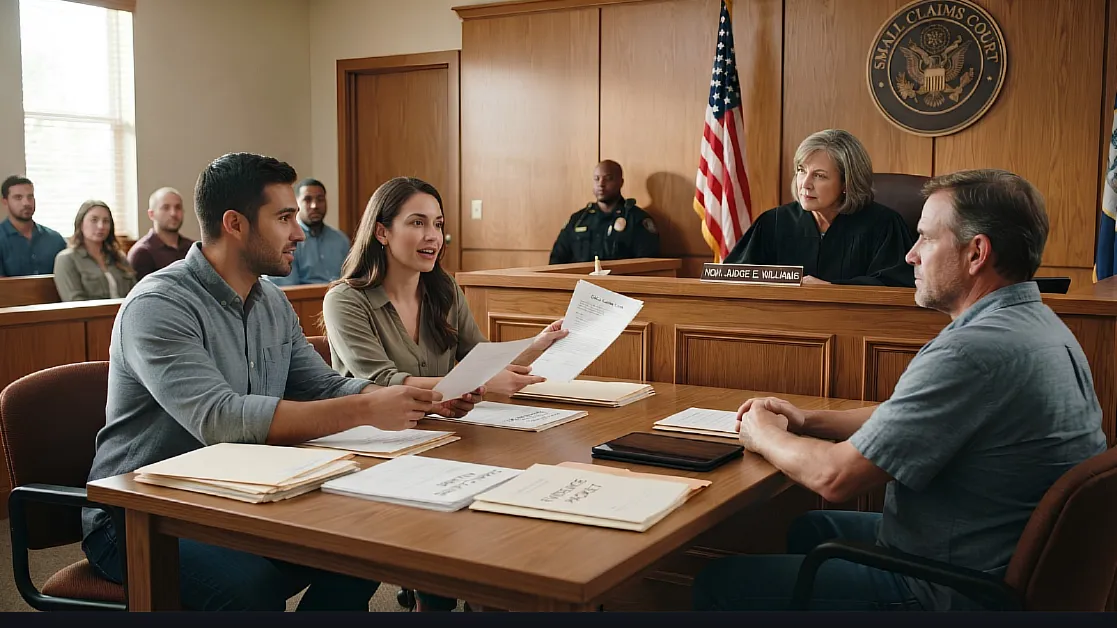
Small claims court is a type of court process intended to resolve certain lower-value civil disputes through relatively streamlined procedures. Compared with more formal civil litigation, small claims cases generally involve simpler pleadings, lower monetary limits, and procedures designed to allow people to represent themselves.
The purpose is not to create a separate legal system where ordinary legal rules disappear. Instead, small claims courts simplify certain procedures so eligible disputes can be resolved without the same level of complexity that may accompany larger civil lawsuits.
The types of disputes accepted depend on state law. Common examples can include:
Not every dispute qualifies. Some types of claims may be excluded from small claims court, and the maximum amount that can be requested varies by jurisdiction.
There is no nationwide small-claims dollar limit.
Each state establishes its own maximum amount, and some states have different limits depending on the type of plaintiff or claim. Current state-by-state limits range from approximately $2,500 in some jurisdictions to $25,000 in others.
This means an amount that qualifies for small claims court in one state may exceed the limit in another.
Before filing, check the rules of the specific court where you intend to bring the case. If your claim exceeds the small-claims limit, you may need to pursue it through another type of civil court or, where permitted, reduce the amount being requested.
It is also important to check whether your state places additional restrictions on how frequently someone can file certain small claims or whether special limits apply to businesses.
Small claims courts generally handle relatively straightforward civil disputes involving money or property.
A person may use small claims court to seek repayment of an eligible debt when attempts to resolve the dispute directly have failed.
Examples might include an unpaid personal loan or an amount allegedly owed under an agreement.
Small claims cases can sometimes involve damage to vehicles, personal property, or other belongings. Whether a particular property-damage claim qualifies depends on state law and the amount involved.
A disagreement over a contract may qualify when one party claims the other failed to fulfill an obligation and the resulting dispute falls within the court's jurisdiction.
Relevant evidence might include the written agreement, invoices, receipts, payment records, emails, and communications between the parties.
Some landlord-tenant disputes can be handled through small claims court, depending on state law and the specific issue. Security deposits are a common example in jurisdictions where the applicable claim falls within the court's authority.
Certain disagreements between consumers and businesses may also qualify, although special rules can apply depending on the type of claim and the parties involved.
Because eligibility varies, checking the rules of the relevant court before filing is important.
The person or entity that starts a small claims case is generally called the plaintiff.
The person or entity being sued is generally called the defendant.
The plaintiff has the responsibility of starting the case and presenting the basis for the claim. The defendant has an opportunity to respond and present their side.
Some jurisdictions also allow a defendant to bring a related claim against the plaintiff, sometimes called a counterclaim or defendant's claim. California, for example, provides a process through which a defendant can file a separate claim against the plaintiff in the same small claims matter.
Although the exact procedure varies by state, a small claims case commonly follows a sequence similar to this:
Determine whether small claims court is appropriate → prepare the claim → file the paperwork → serve the defendant → prepare evidence → attend the hearing → receive a decision → pursue payment or available post-judgment remedies.
The details, deadlines, fees, and forms must be confirmed with the relevant court.
Before filing, determine whether:
Choosing the correct court is particularly important. Filing in the wrong location can create procedural problems or result in the case being transferred or dismissed.
Going to court is not always the first step.
Depending on the circumstances, you may want to contact the other party and explain what you believe is owed and why. A written demand can create a record of the dispute and give the other side an opportunity to resolve the matter without litigation.
Mediation may also be available in some courts.
A settlement can save both sides the time and expense associated with attending a hearing.
If the dispute cannot be resolved, the plaintiff generally needs to complete the court's required small-claims forms.
The paperwork usually identifies:
Accuracy matters. In California, for example, the official small claims process requires the plaintiff to provide the defendant's proper legal name and explain why the case belongs in the particular county.
Other states use different forms and requirements.
After completing the required documents, the plaintiff files them with the appropriate court and pays any applicable filing fee.
Some courts permit filing by mail or electronically, while others may require or provide an in-person filing process. California's courts, for example, state that some courts allow online filing while also providing mail and in-person options.
Once the case is accepted, the court generally assigns a case number and court date.
Filing the case does not automatically mean the defendant has been legally notified.
The defendant generally must receive the lawsuit through a legally recognized method called service of process.
Service requirements vary by jurisdiction and can be technical. In California, for example, a plaintiff cannot personally serve the defendant and must have another qualified adult do so. The state also provides different service methods and deadlines depending on the circumstances.
Because improper service can interfere with the court's ability to proceed, plaintiffs should follow the applicable local rules carefully.
Once the case is filed and properly served, both sides should prepare for the court date.
Preparation may include organizing:
California court guidance similarly advises parties to bring evidence such as receipts, letters, invoices, canceled checks, and photographs to court.
The goal is not to bring every document you have. Organize the evidence that directly supports the important facts of your case.

The hearing gives both sides an opportunity to explain their position to the judge or other authorized judicial officer.
The plaintiff generally explains:
The defendant can then explain their response and present evidence supporting their position.
The judge may ask questions, examine documents, and consider testimony from the parties or witnesses. California's official small claims guidance describes the process as the judge listening to both sides, reviewing evidence, and deciding the case.
The procedure may feel less formal than a traditional civil trial, but parties should still take the hearing seriously. Being organized, factual, and respectful can make it easier to present the relevant information clearly.
Evidence should help establish the facts that matter to the dispute.
For a contract disagreement, for example, the contract itself may be important, along with invoices, payment records, and communications concerning the agreement.
For a property-damage dispute, photographs, repair estimates, receipts, and other records may be relevant.
For a debt dispute, payment records, written agreements, account statements, and communications about repayment may help establish what happened.
Witnesses may also provide relevant testimony when they have firsthand knowledge of the events.
A useful approach is to organize evidence chronologically and identify what each document proves. Simply bringing a large collection of paperwork does not necessarily make a stronger case.
Small claims procedures are generally designed to be accessible to people who represent themselves, but whether you need or can use a lawyer depends on the jurisdiction and circumstances.
Some states restrict or prohibit attorneys from appearing for parties in certain small claims proceedings, while others allow attorney participation under specified circumstances.
Because representation rules differ, check the rules of the court where your case will be heard.
Even where an attorney does not represent you in the hearing, legal advice may sometimes help you understand whether your claim is eligible, what evidence matters, whether a deadline applies, or whether another legal process would be more appropriate.
The consequences of failing to appear depend on the jurisdiction and circumstances.
A defendant who has been properly served but does not appear may lose the opportunity to present their side, and the court may enter a judgment based on the applicable rules.
For example, California's court guidance explains that if a defendant was properly served and does not attend the court date, the judge can decide the case without the defendant's input.
A defendant should therefore not ignore small claims paperwork. If there is a legitimate reason they cannot attend, they should promptly check the court's procedures for requesting a postponement or other available relief.
A judgment determines the outcome of the dispute, but winning a case does not always mean the winning party immediately receives the money.
If the plaintiff wins, the defendant may voluntarily pay the judgment. If payment does not occur, the winning party may have to use lawful collection procedures available under state law.
Possible post-judgment procedures can vary and may include mechanisms involving property, bank accounts, wages, or other assets, subject to applicable exemptions and legal requirements.
California's small claims system, for example, provides separate procedures for collecting judgments and addresses tools such as wage garnishment, bank levies, property liens, and debtor examinations.
The important point is that a court judgment and actual collection are separate stages.
Appeal rights vary depending on the jurisdiction, the type of party involved, and the circumstances.
Some states limit appeals in small claims proceedings or apply different rules to plaintiffs and defendants. Other post-judgment remedies may also be available in certain situations.
Because these rules can be highly specific, anyone considering an appeal should review the applicable state court rules promptly after judgment.
Do not assume that the ordinary civil appeal process applies to a small claims case.
A claim that exceeds the applicable limit may not be eligible for small claims court.
Using an incorrect legal name can create problems with service and collection. Court rules may provide specific procedures for identifying the correct defendant.
Small claims cases generally have jurisdiction and venue requirements. Confirm where the case should be filed before submitting paperwork.
A plaintiff must follow the applicable service rules and deadlines. Filing the lawsuit is not the same as completing service.
Important evidence is much easier to understand when it is organized and directly connected to the facts of the dispute.
A party who fails to appear can lose the opportunity to present their side. If attendance is impossible, check whether the court allows a postponement or another procedure.
A judgment may still need to be collected if the losing party does not voluntarily pay.
Small claims court and regular civil court both resolve civil disputes, but they are not identical.
Small claims proceedings generally involve lower monetary limits and simplified procedures. Regular civil litigation may accommodate larger claims and more complex disputes but can involve more extensive pleadings, discovery, motion practice, and other procedures.
The right forum depends on the nature and value of the dispute, applicable jurisdictional rules, available remedies, and the complexity of the issues.
Someone with a claim that exceeds the small claims limit should not automatically assume that splitting the claim into multiple smaller cases is permitted. State law may restrict that approach.
Small claims court is intended to make certain disputes easier to resolve, but some cases can involve complicated legal questions.
Legal advice may be particularly useful when:
A lawyer can help explain the legal issues and procedural options that may apply, although representation rules in small claims court differ by jurisdiction.

Small claims court provides a practical legal process for resolving many relatively smaller civil disputes, but the rules are established at the state and local level. Monetary limits, eligible claims, filing fees, service requirements, representation rules, deadlines, appeals, and collection procedures can all differ.
The basic process is usually straightforward: determine whether the dispute qualifies, file the required paperwork, properly notify the defendant, organize relevant evidence, attend the hearing, and understand what happens after judgment.
Before filing a claim, review the rules of the specific court that will handle the dispute. If the case involves complicated legal issues, substantial money, multiple parties, or an important deadline, professional legal guidance may help clarify the available options.
Written by
FranklyFrankly is a legal researcher and content writer at Jurnza, specializing in legal services, legal tools, legal guides, and law-related educational content. Frankly researches topics including business law, family law, immigration law, personal injury law, tax law, employment law, and real estate law to create accurate, easy-to-understand, and up-to-date resources that help readers make informed legal decisions.
