Deadlines & Filing
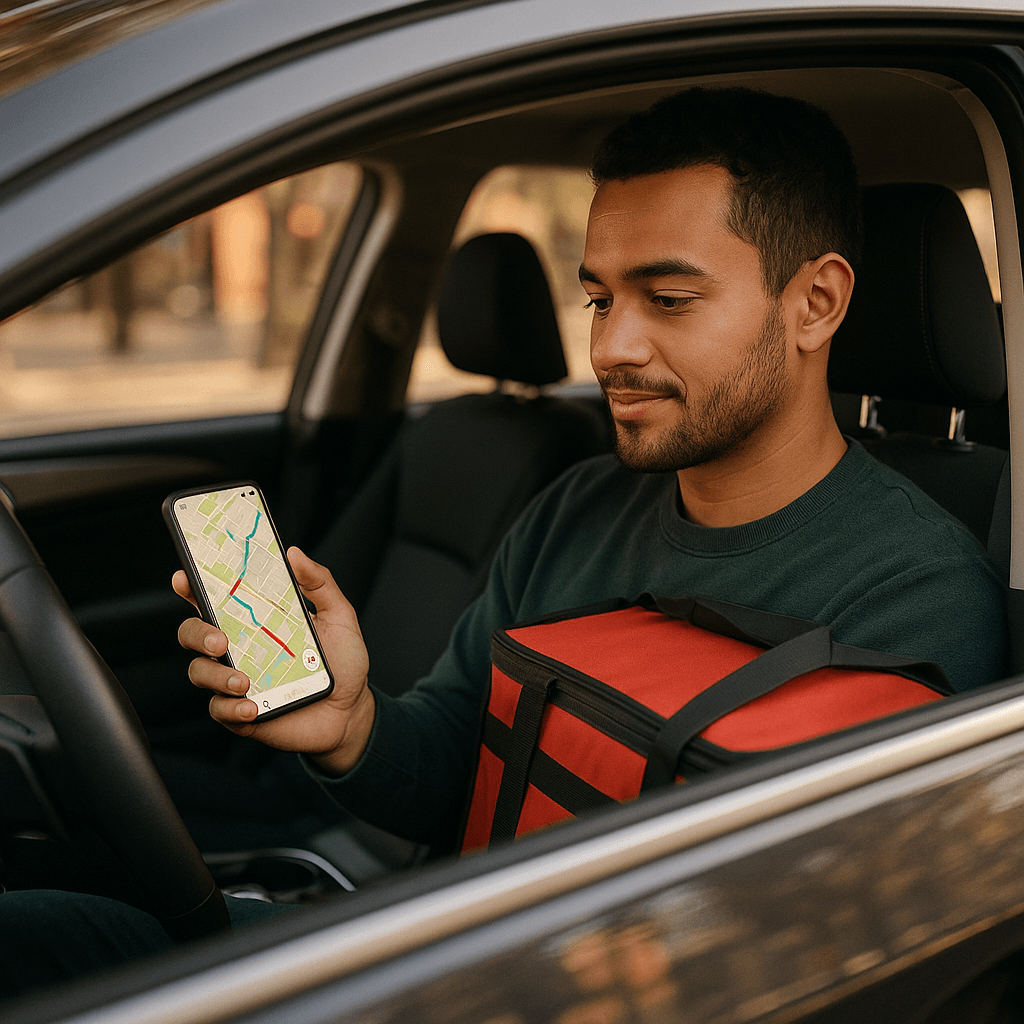
A plain English guide to gig worker misclassification for Uber and DoorDash drivers, covering the ABC test, AB5, Prop 22 in 2026, federal rules, employee rights, and the exact steps to challenge a misclassification.
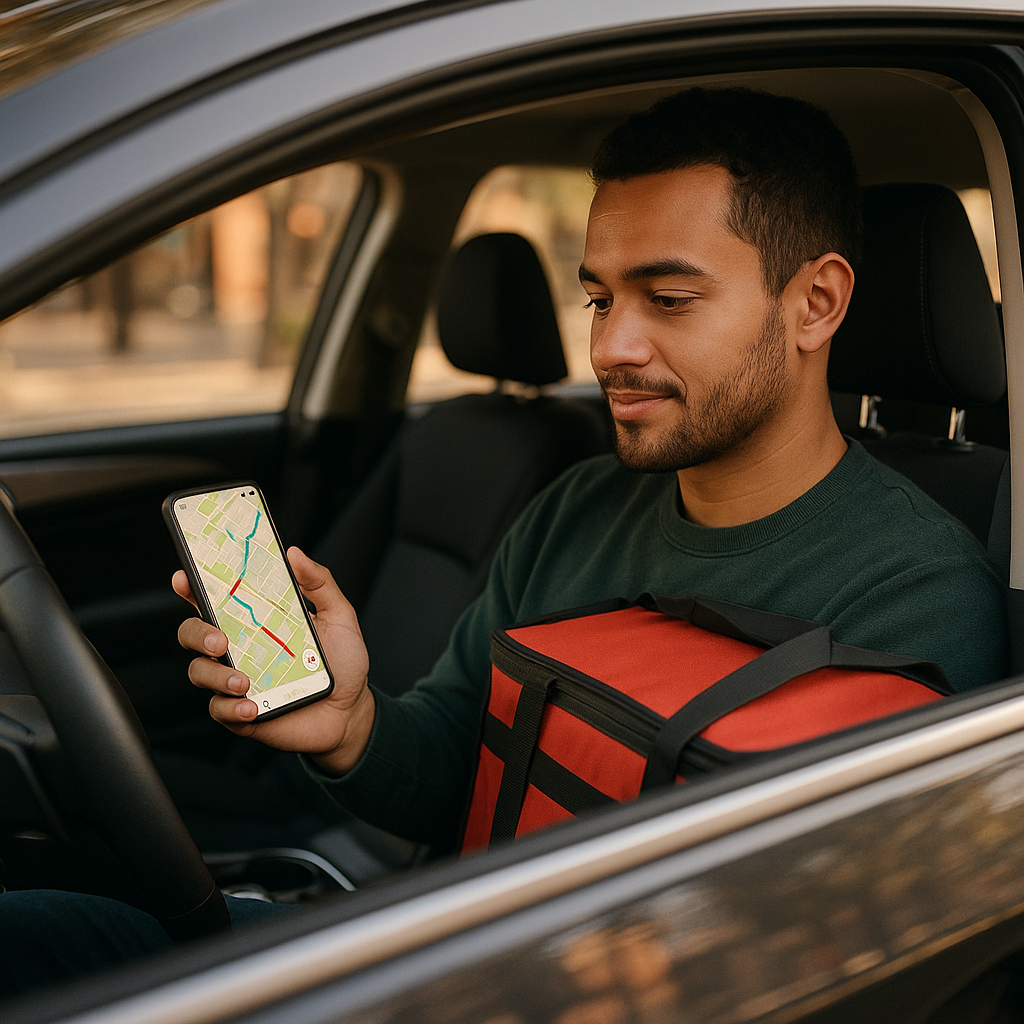
Gig worker misclassification sits at the center of one of the biggest labor law fights of the past decade. When you drive for Uber, DoorDash, Instacart, or a similar platform, the app tells you where to go, locks you out of jobs you cannot refuse, and deactivates you when it decides you broke a rule you may never have seen. In most industries, that level of control makes a worker an employee. In the gig economy, companies have spent billions convincing lawmakers and courts that every driver is an independent business.
This guide explains gig worker misclassification in plain language, how Uber and DoorDash drivers fit into the legal tests courts actually use, what rights switch on when a driver wins employee status, and the exact steps a driver can take to challenge a misclassification. The rules differ sharply by state, so this guide covers California law in detail and then walks through how other states treat the same question.
Misclassification happens when a company labels a worker an independent contractor even though the worker functions, under the law, as an employee. The label matters enormously. Employees get a legal floor: minimum wage for every hour worked, overtime after 40 hours, workers compensation coverage, unemployment insurance, required meal and rest breaks in many states, protection from discriminatory termination, and, in the case of federal law, the right to organize. Independent contractors get none of those protections by default. Contractors negotiate whatever the market gives them, and with an app platform setting the rates, the market rarely negotiates back.
Being classified as an employee also shifts costs the company normally pushes onto the worker. Employers must pay half of Social Security and Medicare taxes, contribute to unemployment insurance funds, and carry workers compensation policies. Estimates across the gig economy suggest a company saves roughly 30 percent on labor costs for every driver kept off the employee rolls. Multiply that saving across millions of rides and deliveries and you can see why gig worker misclassification has turned into a decade long courtroom and ballot box war.
It is worth stating clearly that independent contractor status is not automatically bad for every worker. Some genuinely autonomous professionals prefer contracting, and the law protects that choice. The legal problem arises when a company wants contractor economics while keeping employee style control. Courts look past the label on the 1099 form and examine the actual relationship.
Rideshare and delivery platforms are built on thin margins and large volumes. Employee classification would require the platforms to pay wages for waiting time, not just time with a passenger in the car. It would trigger overtime for long weeks, reimbursed mileage under California Labor Code Section 2802, payroll taxes, and unemployment contributions. It would also expose deactivation practices to wrongful termination claims, giving drivers access to a fair process before the app cuts off their income overnight.
Platforms have defended classification on three fronts: litigation, legislation, and ballot measures. Lawsuits are settled or fought for years. Lobbying produced statutory exemptions. Ballot measures, most famously California Proposition 22 in 2020, changed the underlying law itself. Understanding legal tests is still important even in states with exemptions, because exemptions are narrow, they apply to specific app based industries, and courts regularly review them.
There is no single nationwide test. Three frameworks dominate, and the outcome of a misclassification claim often depends on which test applies in your state and industry.
The ABC test, adopted by the California Supreme Court in the 2018 Dynamex decision and codified in Assembly Bill 5 in 2019, starts with a presumption: every worker is an employee unless the company proves all three of the following.
Part B is the killer for most drivers. Driving people or food from place to place is the entire business of Uber and DoorDash. A driver cannot perform work outside the usual course of a transportation company's business while doing the job that transportation company sells to customers. Courts applying the ABC test have therefore found that rideshare and delivery drivers typically satisfy the definition of employee once the company fails part B, no matter how independent the driver feels day to day.
Federal overtime and minimum wage claims under the Fair Labor Standards Act use the economic realities test, which asks whether the worker is economically dependent on the company for work as a matter of economic reality. In 2024 the Department of Labor issued a final rule restoring a six factor, totality of the circumstances analysis covering the opportunity for profit or loss depending on managerial skill, investments by the worker and the company, the degree of permanence of the relationship, the nature and degree of control, the extent to which the work is integral to the business, and the parties' skill and initiative. The rule took effect in March 2024 and remains the most recent formal federal guidance, although enforcement posture at the federal level has shifted since the change in administration in 2025, and courts decide FLSA cases under the statutory standard rather than agency preference.
Under the economic reality framework, app drivers present a mixed picture. Drivers can claim some flexibility regarding when they log on. Against that, platforms control the pricing the driver must accept, the acceptance rate floors, the deactivation process, and constant algorithmic monitoring. That mixture of freedom and control is exactly what courts weigh in gig worker misclassification cases.

For tax purposes the IRS has long used a control based analysis, historically summarized in a twenty factor test and now grouped into three categories: behavioral control, financial control, and the relationship of the parties. Behavioral control asks who directs how work is performed. Financial control asks who pays for expenses, who sets the methods of payment, and whether the worker has a real opportunity for profit or loss. Relationship factors cover contracts, benefits, and how permanent the arrangement is. A driver convinced the company misclassified them for tax purposes can file IRS Form SS-8 asking the IRS for an official determination, and then Form 8919 to pay only the employee share of payroll taxes on income actually earned as an employee.
California is the center of gravity for gig worker misclassification law, so it deserves its own section. The story runs from Dynamex to AB5 to Prop 22.
Assembly Bill 5 took effect January 1, 2020, writing the ABC test into California Labor Code Section 2775. After AB5, a company hiring a California driver for ordinary rideshare or delivery work had to prove all three ABC prongs, which the companies could not do on prong B. Absent an exemption, app drivers in California are legally employees under state wage law. That legal position triggered immediate political response by the platforms.
Proposition 22, passed by California voters in November 2020, created a third category for app based rideshare and delivery drivers. These drivers remain independent contractors for most purposes but receive a package of guaranteed benefits. In July 2024 the California Supreme Court, in Castellanos v. State of California, upheld Prop 22 against a constitutional challenge, rejecting the argument that the measure unreasonably restricted the Legislature's power to protect workers compensation. As of 2026, Prop 22 remains good law in California and continues to govern drivers who meet its definitions.
App based drivers covered by Prop 22 receive the following floor of benefits, with several values adjusted annually for inflation.
Drivers should understand the difference between engaged time and clocked in time. The Prop 22 earnings floor only counts time from acceptance to completion, not the time spent waiting for a request. Advocacy groups have consistently argued that unpaid waiting time is where the real earnings gap hides, and companies dispute the accounting. Litigation and routine fee adjustments continue, so the effective numbers keep moving year by year.
Even with Prop 22 in place, the AB5 framework still matters. Prop 22 is an industry specific exemption. A courier company that is not an app based network, or a driver working outside Prop 22's definitions, falls back to the full ABC test. Keeping track of which exemption applies is a core question in any California gig worker misclassification consult.
State law controls most wage and hour protections, but three federal threads weave through the same conflict.
You can read the Department's guidance directly on the Department of Labor FLSA page, and the IRS explanation of worker classification, including how to request a determination, at IRS worker classification information.
Courts never weigh one fact alone, but a pattern building across facts is what wins gig worker misclassification claims. Compare your daily reality against this list.
If five or more of those sound familiar, the economic reality of your relationship looks much more like employment than entrepreneurship. Write down specific examples while they are fresh, including screenshots of rate changes, deactivation notices, and acceptance rate warnings.
Winning employee status unlocks a specific bundle of rights. Depending on your state and the law under which you bring a claim, those rights include the following.
Back pay remedies scale up fast. A misclassification claim can reach back three years in California and four years under the Unfair Competition Law, so the unpaid wages, mileage, and penalty amounts stack up. Federal FLSA claims reach back two years, or three for willful violations, and add liquidated damages that double the unpaid amount.
Workers compensation deserves special emphasis for anyone injured while driving. While an employee injured on the job files a no fault workers compensation claim, a misclassified contractor usually has to fight the platform's occupational accident insurer over limited policy benefits. Drivers in serious crashes, or passengers hurt while riding with a driver, often end up needing a separate personal injury claim on top of everything else, and our vehicle collision guides cover that side of the picture.
Before you file anything, build a personal file. Save your weekly earnings statements, period by period, including both engaged hours and total app hours. Screenshot every rate change, quest, and acceptance rate notice. Copy deactivation emails in full. Note your mileage as the app reports it alongside what your odometer and tax records show. Courts and agencies consistently give more weight to contemporaneous records than to reconstructed memories, and platforms control the underlying data, so your own preservation matters.
One of the fastest ways to force a classification review is to file for unemployment benefits after your earnings stop. A state agency, such as the California Employment Development Department, must decide whether you performed covered employment. The platform must justify its contractor label to the agency, and an adverse finding against the platform creates a road tested factual record you can reuse. Companies owe unemployment contributions for misclassified workers, so they treat these audits seriously. You can review the process on the California EDD website, and every state runs an equivalent agency.
In California, the Labor Commissioner runs an informal, free, and relatively fast process called a Berman hearing for wage claims, including claims for unreimbursed mileage and waiting time wages. You do not need a lawyer to file, although representation meaningfully improves outcomes in anything beyond simple claims. Claims can be filed for up to three years of back wages, and four years for claims brought under the Unfair Competition Law.
If you believe the platform treated you as a contractor for tax purposes when you were really an employee, file Form SS-8 with the IRS to request an official worker status determination, then file Form 8919 with your return to pay only the employee share of payroll taxes. The process moves slowly, but it can recover real money and creates another authoritative record of your status. Details are on the Form 8919 information page.
Most platforms bury arbitration clauses with class action waivers in their driver agreements. That shuts the courthouse door for group claims but opens the door for individual arbitration, which the company must pay for, and companies have historically found thousands of small individual arbitrations expensive enough to settle. Check whether an existing class or arbitration settlement covers your time period, because signing on to an existing settlement is usually far faster than starting your own claim. An employment lawyer can run this check quickly, and you can start with a free consultation.
Misclassification claims are conveyor belts of deadlines. Missing one usually forecloses part or all of a claim, so know the clock that applies to you.
| Claim Type | Typical Deadline |
|---|---|
| California wage and hour claims | Three years of back wages, four years when pleaded under the Unfair Competition Law |
| Federal FLSA claims | Two years, three if the violation was willful |
| Workers compensation injury | One year from injury in California, with earlier notice requirements |
| Unemployment insurance issues | Strict appeal windows, often counted in days or weeks after each notice |
| IRS refund and 8919 issues | Generally three years from the filing date, so amended returns need to move fast |
| Written contract disputes | Four years in California |
Because so many claim types overlap, a single file with every document, organized by month, makes every deadline easier to meet.
Fear of deactivation keeps many drivers silent. The law does not. California Labor Code Section 1102.5 protects employees who report wage violations, and similar anti retaliation protections appear in federal law and in most states. If a platform deactivates you, or cuts your visibility on the app, soon after you file an unemployment claim, a wage claim, or speak to other drivers about pay, the timing itself becomes evidence. Serious deactivations also implicate due process style notice and appeal rights that Prop 22 and platform wide policies added, so a retaliation story often overlaps with a procedural one.
Enforcement does not always require winning the classification question first. New York's attorney general obtained a 290 million dollar settlement from Uber in 2023 over claims involving driver pay deductions, an example of agencies pursuing platforms under wage laws, data transparency laws, and unfair competition theories without waiting for the classification question to be decided.
California's framework is unique, but it is not the only state moving on gig worker misclassification.
The takeaway is that the law is heading in one direction at the state level, toward a hybrid category with real money attached, even while federal classification law stays frozen in debate. Drivers should track their own state's rules, and drivers who split time between states should track both.

One common misconception deserves correction. Prop 22 style protections do not make drivers employees, and they do not entitle drivers to overtime, protection from at will deactivation beyond the notice rules, or the full bundle of employee rights. Drivers sometimes conflate the guaranteed earnings floor with an employment relationship. Keeping the concepts separate prevents bad advice from internet forums turning into missed claims.
It depends on the state. In California, covered app based rideshare and delivery drivers remain independent contractors under Prop 22, which the California Supreme Court upheld in 2024, but with guaranteed earnings, healthcare stipends, and insurance benefits. In states without a Prop 22 style law, the default legal tests, such as the ABC test and the economic realities test, usually point toward employee status for drivers who face platform control.
Usually yes, within limits. State wage claims can reach back three years in California and up to four years under the Unfair Competition Law, and federal claims back two to three years. Recovery can include unpaid wages, waiting time penalties, unreimbursed expenses, and, in some cases, liquidated damages that double the total.
File a wage claim with your state labor agency, file for unemployment insurance if your work has stopped, and file IRS Form SS-8 for a tax status determination. You can file claims without a lawyer, although hiring one beforehand usually sharpens the record and avoids procedural mistakes.
Retaliation for asserting wage rights is illegal under California Labor Code Section 1102.5 and comparable laws elsewhere. Deactivation immediately after a protected complaint creates strong evidence of retaliation, so document everything if it happens.
Not entirely. Prop 22 is an industry specific exemption with its own limits, adjustments, and litigation history, and drivers outside its definitions still fall under the AB5 ABC test. Classification fights continue over which companies and which drivers the exemption actually covers, and the guaranteed benefit numbers keep changing with inflation adjustments.
Gig worker misclassification will stay a moving target through 2026 and beyond. The platforms have locked in contractor status in a few large states through ballot measures, while courts applying the same facts elsewhere keep leaning toward employee status. For individual drivers, the practical question is simple: is the app controlling your work the way a boss would, while you carry the costs of a business owner. If the answer is yes, the law gives you tools, and deadlines reward early action.
Gather your records first. Then pick the cheapest, fastest forum that fits your situation, usually an unemployment claim, a labor commissioner wage claim, or an SS-8 filing, and layer in arbitration, class settlement participation, or a private lawsuit when the numbers justify it. An employment lawyer can tell you within one conversation which thread to pull first, and our employment law practice area and FAQ page cover the broader landscape of worker rights.
If your specific situation involves a deactivation, a serious crash on the job, or wage arrears mounting week by week, schedule a consultation and bring your earnings statements and deactivation notices with you. The strongest gig worker misclassification claims are built early, with documents, before anyone has time to change the story.
This article gives general information only and does not serve as legal advice. Worker classification depends on state law, industry rules, and your specific facts. Speak with a licensed employment attorney in your state before acting on anything in this guide.
Written by
FranklyFrankly is a legal researcher and content writer at Jurnza, specializing in legal services, legal tools, legal guides, and law-related educational content. Frankly researches topics including business law, family law, immigration law, personal injury law, tax law, employment law, and real estate law to create accurate, easy-to-understand, and up-to-date resources that help readers make informed legal decisions.
