Deadlines & Filing
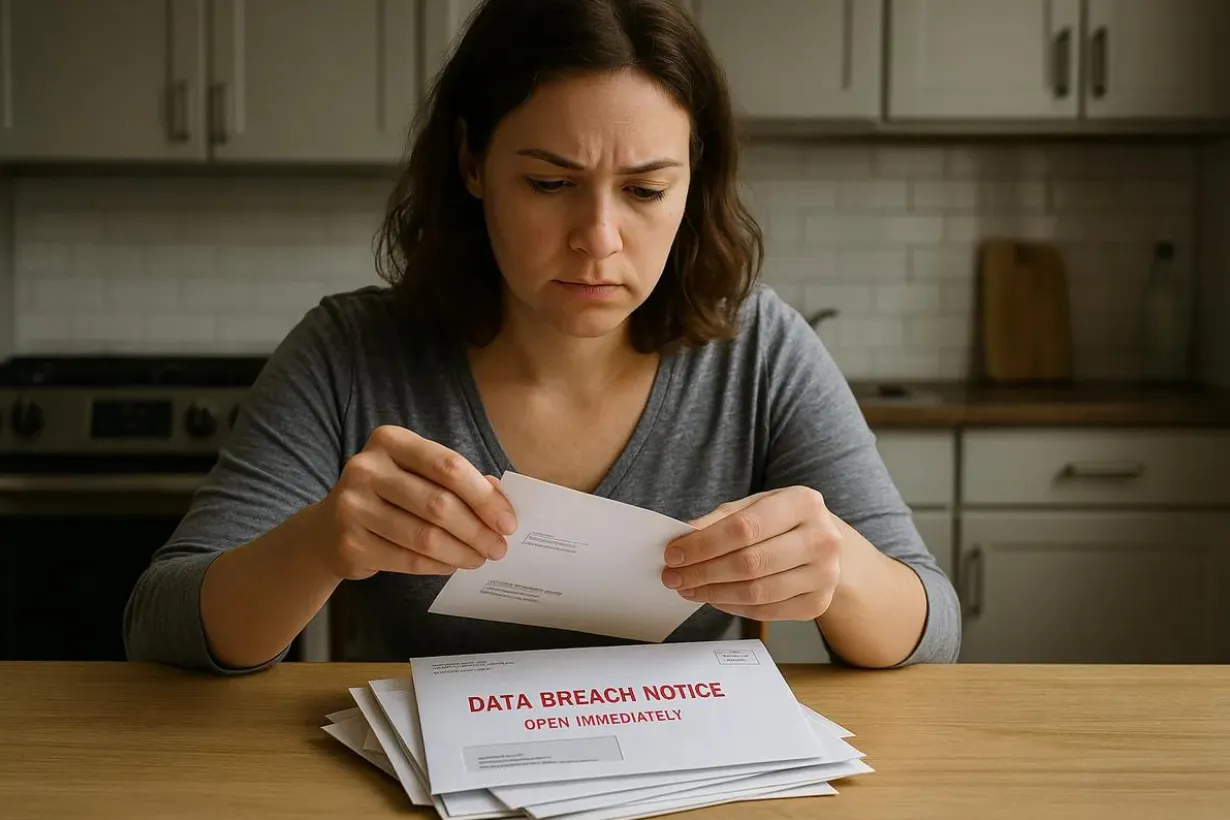
A data breach can expose sensitive personal information and create risks of identity theft, financial loss, and privacy violations. Learn when a data breach lawsuit may be possible, how negligence and class actions work, what evidence to preserve, and how U.S. notification laws may protect affected consumers.
A data breach can expose far more than an email address. When a company, hospital, bank, employer, or online service fails to protect sensitive information, criminals may gain access to Social Security numbers, financial records, medical histories, passwords, and other personal details. For affected consumers, the consequences can include identity theft, fraudulent transactions, account takeovers, and months of work trying to secure their information.
But when personal information is exposed, does that automatically give you the right to sue?
In the United States, the answer depends on several factors, including the type of information exposed, the circumstances of the breach, the company's security practices, the harm suffered, and the laws that apply. Some victims may have grounds to pursue an individual claim or join a class action. Others may be entitled to statutory protections or regulatory assistance without necessarily having a viable lawsuit.
Understanding these distinctions can help consumers respond more effectively after receiving a data breach notification. It can also help them recognize when legal advice may be worthwhile, what evidence to preserve, and which deadlines could affect their rights.
This guide explains seven important legal issues surrounding data breach lawsuits in 2026, including negligence, financial losses, class actions, state notification laws, evidence, and practical steps to take after personal information has been exposed.
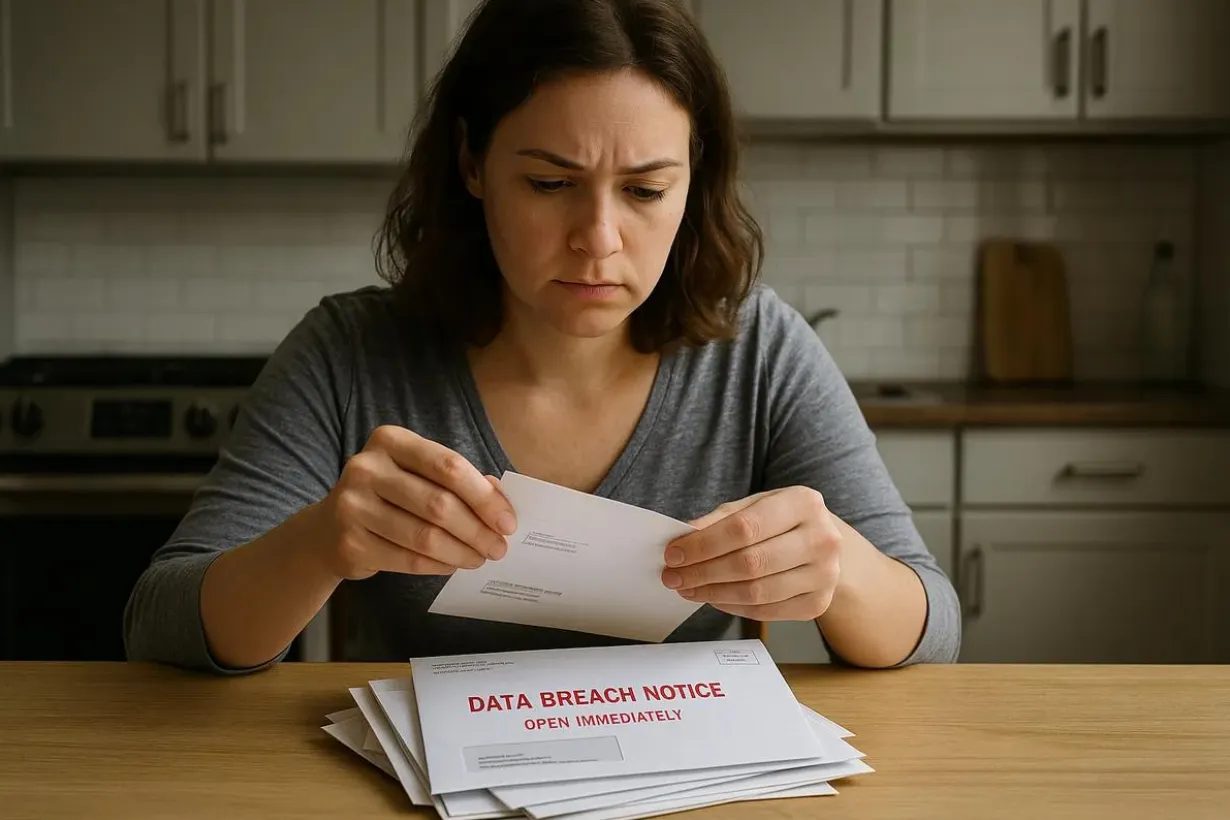
A data breach does not automatically establish that a company is legally responsible. To bring a successful claim, an affected person generally needs to identify a legal basis for the lawsuit and provide evidence supporting the required elements.
Depending on the circumstances, possible legal theories include negligence, breach of contract, breach of an implied duty, violations of consumer-protection statutes, or violations of a specific privacy or data-security law.
A negligence claim generally requires a plaintiff to establish that the defendant owed a legally recognized duty, breached that duty, caused the plaintiff's injury, and produced legally compensable harm.
In a data breach case, the central questions may include whether the company had a duty to protect the information, whether its security measures were reasonable under the circumstances, and whether the alleged failures caused the harm claimed by the plaintiff.
For example, imagine an online retailer stores customers' personal information without appropriate access controls. An attacker exploits a known vulnerability, obtains customer records, and uses stolen financial information to make fraudulent purchases. Affected customers might investigate whether the retailer's security practices fell below a legally required standard and whether that failure caused their losses.
However, the fact that a hacker successfully attacked a company does not by itself prove negligence. Cybercriminals can defeat reasonable security measures, and courts may consider the nature of the attack, the company's safeguards, the applicable legal duties, and the available evidence.
A company may also face a contract-based claim if its agreement with customers contains relevant security or confidentiality commitments and the facts support a breach of those obligations.
Privacy policies and terms of service may be important evidence, but not every statement in a privacy policy creates an enforceable contractual promise. The language of the agreement, the relationship between the parties, and the law governing the claim all matter.
An attorney may review the company's representations about data protection, the agreement accepted by the customer, and any relevant limitations or dispute-resolution provisions.
Certain federal and state laws impose specific privacy, security, notification, or consumer-protection obligations. Depending on the statute, a violation may support regulatory enforcement, a private lawsuit, or both.
Importantly, not every privacy law gives individuals the right to sue directly. Some laws authorize enforcement only by a government agency, while others provide private remedies subject to particular requirements.
The right question is therefore not simply whether the company broke a rule, but whether that rule provides a remedy for the particular person and circumstances involved.
One of the most important questions in a data breach lawsuit is whether the affected person has suffered a legally recognizable injury.
The information exposed, the risk of future misuse, and the actual consequences of the incident may all be relevant. But they are not interchangeable.
Evidence of financial harm can strengthen a potential claim when the loss is connected to the alleged breach. Examples may include:
A person should preserve receipts, bank statements, fraud reports, correspondence, and records showing when the losses occurred.
The connection between the breach and the loss still matters. If a consumer experiences identity theft, a lawsuit may require evidence that the exposed information was connected to the fraud rather than assuming that every later incident resulted from the same breach.
This situation can be legally complicated. A person may be understandably worried about the exposure of a Social Security number or medical record even when no fraudulent transaction has occurred.
However, the ability to sue for damages in federal court may depend on whether the person can demonstrate a sufficiently concrete injury.
In TransUnion LLC v. Ramirez (2021), the U.S. Supreme Court explained that a statutory violation alone does not automatically establish the concrete injury required for federal standing. The decision was not itself a data breach case, but its standing principles can matter in privacy and information-related litigation. Read the Supreme Court opinion.
The decision does not mean that every person whose information is exposed is unable to sue. The analysis depends on the claim, the alleged injury, the requested remedy, and the relevant law. Disclosure of private information, actual financial loss, and other harms may be evaluated differently from a bare allegation that a company violated a rule.
The risk of future harm may be relevant, but it is not automatically sufficient to support every damages claim in federal court. Courts examine the particular circumstances and the type of relief requested.
A person seeking an injunction to prevent an ongoing or imminent harm may face a different standing analysis from someone seeking money damages for a past event.
For this reason, people affected by a breach should document both the exposure and any concrete consequences. They should not assume that the absence of immediate fraud eliminates every possible legal remedy, or that exposure alone guarantees compensation.
In many circumstances, yes. But the exact notification obligation depends on the applicable law, the information involved, and the circumstances of the incident.
The Federal Trade Commission explains that all 50 states, the District of Columbia, Puerto Rico, and the U.S. Virgin Islands have enacted data breach notification laws. These laws differ in their definitions, deadlines, notice requirements, and exceptions. FTC guide to data breach response and notification.
State laws may require covered businesses to notify affected residents when certain categories of personal information have been acquired or accessed without authorization.
Depending on the jurisdiction, the law may specify:
Some laws also impose duties related to reasonable data security, while others focus primarily on notification. A company may comply with a notification requirement yet still face a separate dispute over whether its security practices were legally adequate.
Conversely, a breach does not necessarily establish that a company violated its notification law. The legal trigger and applicable deadlines must be evaluated under the relevant statute.
A delayed notice may raise legal questions if the company was subject to a notification deadline and failed to comply. However, the available remedy depends on the applicable law and the facts.
A violation may lead to regulatory investigation or penalties. Whether an affected individual can recover damages directly may depend on whether the statute authorizes a private action, whether the person suffered the required harm, and whether other legal requirements are satisfied.
Save the breach notification, including the date you received it. If the notice appears inconsistent with the incident timeline or omits required information, a qualified attorney or relevant regulator may be able to explain the next steps.
Federal requirements may also apply to specific types of organizations or information.
For example, the Health Insurance Portability and Accountability Act (HIPAA) includes breach notification requirements for covered entities and business associates when protected health information is involved. Certain financial institutions are subject to data-security requirements under the Gramm-Leach-Bliley Act and related regulations.
Other requirements may apply to consumer reporting agencies, health applications, or organizations operating in particular regulated sectors. Coverage is not universal: a company holding medical information, for example, is not automatically subject to HIPAA in every circumstance.
Federal agencies can investigate or enforce certain obligations, but a regulatory violation does not necessarily give an individual a direct right to sue for damages. The applicable law must be checked carefully.
A class action allows one or more representatives to pursue claims on behalf of a proposed group of people who share legally relevant issues. Data breach cases may use this procedure when a single incident affects many customers, employees, patients, or other individuals.
Class actions can make it more practical to address common issues than requiring every affected person to file a separate lawsuit. Nevertheless, not every breach results in a viable class action, and not everyone whose information was involved will necessarily qualify as a class member.
The process generally begins when a plaintiff files a complaint alleging that an organization caused legally actionable harm. The plaintiff may seek to represent a group of similarly situated people.
The court then considers whether the proposed class satisfies the requirements of Federal Rule of Civil Procedure 23 or the applicable state procedural rule.
Depending on the case, the court may examine whether:
Class certification is a legal decision, not an automatic consequence of a breach affecting many people.
The possible recovery depends on the claims, available evidence, applicable law, and outcome of the case. A settlement or judgment may provide monetary payments, reimbursement for certain expenses, credit or identity-monitoring services, or other forms of relief where legally appropriate.
Not every class action produces a cash payment for each affected person. Some cases are dismissed, settle without an admission of liability, or result in relief that differs from what individual consumers initially expect.
Before relying on a class action to solve a problem, consider whether you have urgent individual losses that require separate action, such as contacting your bank about fraudulent transactions.
Start with the official website of the organization involved and the actual court documents, if available. A proposed class action may be publicly reported before a court has decided whether it can proceed.
Be cautious of websites promising guaranteed compensation or demanding payment merely to check whether you qualify. Legitimate settlement notices should explain the case, eligibility rules, deadlines, and process for submitting a claim.
If a class has already been certified or a settlement approved, review the official notice carefully. It may explain whether you need to submit a claim, whether you can opt out, and how the outcome affects your ability to bring an individual lawsuit.
Evidence can be essential to establishing what happened, what information was exposed, and whether the incident caused a legally recognized injury.
You do not need to prove an entire case before speaking with an attorney. But preserving records early can help prevent important information from being lost.
Save the original email, letter, text message, or account notice from the organization. Record when you received it and retain any reference numbers or instructions it contains.
Do not delete the notification after taking the recommended steps. It may identify the types of information involved, the period of the incident, the company's response, and the resources offered to affected people.
Keep records of unauthorized transactions, disputed charges, account closures, replacement documents, fraud alerts, and other responses to the breach.
If you spend money or time responding to identity theft, record the dates and reasons. Whether particular expenses are recoverable depends on the law and the circumstances, but documentation is still valuable.
Preserve emails, letters, support tickets, and written explanations from the organization. If a representative makes an important statement during a phone call, record the date, the person's name if available, and a factual summary of what was said.
Do not alter records to make them look more favorable. Keep original documents and make separate notes when additional context is needed.
A data breach can make people understandably anxious about their privacy. Avoid posting unredacted bank statements, Social Security numbers, medical records, or identity documents on social media or public forums.
If you share information with an attorney or regulator, use appropriate secure channels and provide only what is necessary.
Do not access systems without authorization, download confidential files, or try to test whether the company's security remains vulnerable. Such actions may create additional legal problems and compromise an investigation.
Instead, preserve evidence you lawfully possess and let qualified professionals investigate the incident through appropriate channels.
A data breach notification can be unsettling, especially when it is unclear exactly what information was exposed. A measured response can reduce risk while helping you preserve your legal options.
Step 1: Verify the notification
Confirm the notice is genuine by contacting the organization through a phone number or website you already trust. Be wary of messages that ask you to click an unfamiliar link, provide a password, or pay a fee to protect your account.
Step 2: Secure affected accounts
Change compromised passwords and avoid reusing passwords across services. Enable multifactor authentication where available. If your email account may be compromised, secure it promptly because it can be used to reset passwords for other accounts.
Step 3: Contact your financial institutions if necessary
Review account activity and promptly report unauthorized transactions. Ask your bank or card issuer whether the affected account should be blocked, replaced, or monitored.
Step 4: Preserve records
Save the breach notice, relevant account statements, communications, and evidence of any losses. Keep a timeline of the actions you take and the responses you receive.
Step 5: Consider fraud alerts or a credit freeze
If Social Security or other identity information was exposed, consider a fraud alert or credit freeze with the major credit bureaus. A freeze can restrict access to your credit report for many new-credit applications, subject to legal exceptions. It does not prevent every type of identity theft.
Step 6: Explore reporting and legal options
The Federal Trade Commission's data breach resources explain consumer response steps. If you suffered measurable losses or the notice raises serious concerns, consider contacting a qualified attorney who handles privacy or data breach litigation.
These steps can help protect your accounts, but they do not guarantee that identity theft will be prevented or that a lawsuit will succeed.
Deadlines can determine whether a legal claim remains available. There is no single statute of limitations that applies to every data breach lawsuit in the United States.
The deadline may depend on the legal theory, the state where the claim is filed, the governing statute, and the circumstances of the incident. Contract claims, negligence claims, and statutory privacy claims may be subject to different periods.
A claim filed in one state may be subject to different limitation rules from a similar claim filed elsewhere. Rules about when the clock starts can also vary. Some disputes concern when the injury occurred, when it was discovered, or whether a specific statute provides a different rule.
Do not assume that the deadline begins only when a company sends its breach notification. Nor should you assume that discovering identity theft automatically extends the time to sue.
Some federal statutes provide specific deadlines, administrative procedures, or other prerequisites. A claim based on a federal statute may have different requirements from a claim based on state negligence law.
The relevant statute must be identified before the deadline can be determined reliably.
Even when a deadline seems distant, evidence can become harder to obtain over time. Companies may change their systems, staff members may leave, and records may be more difficult to retrieve.
If you suspect a legal claim, consult an attorney promptly. Provide the breach notice, a summary of what happened, records of any losses, and the dates of relevant events. An attorney can assess the applicable deadline and any procedural steps required before filing.
Data breach litigation is not limited to retailers, hospitals, and financial institutions. Law firms also hold sensitive personal, financial, employment, and legal information that can make them attractive targets.
In October 2026, Reuters reported that Sheppard Mullin faced a proposed class action after disclosing a breach involving sensitive personal information, including Social Security and driver's license numbers. The complaint alleged negligence and other legal violations. The firm described the incident differently, and the allegations reported at the time were claims in litigation—not established findings of liability. Read Reuters' report on the lawsuit.
This example illustrates an important distinction: a data breach can prompt a lawsuit, but filing a complaint is only the beginning of the legal process. Plaintiffs still need to establish the required elements of their claims, and defendants can challenge the allegations.
It also demonstrates why data security matters across industries. Organizations that handle confidential information need appropriate safeguards, incident-response procedures, and a clear understanding of their notification obligations.
Not every breach requires a lawsuit, and legal action is not always the fastest way to resolve immediate security problems. Still, speaking with an attorney may be worthwhile when the incident involves significant exposure, disputed legal obligations, or identifiable harm.
Consider seeking legal guidance if:
When choosing an attorney, look for relevant experience in privacy law, consumer protection, cybersecurity incidents, or class action litigation. Ask how the attorney evaluates the merits of a case, what costs may arise, whether fees are contingent on recovery, and what outcomes are realistic.
Be cautious of anyone promising a guaranteed payout before reviewing the facts. No responsible assessment can promise that a case will succeed simply because a person's information appeared in a breach notice.
A data breach can create serious risks for consumers, but exposure of personal information does not automatically guarantee the right to compensation. Whether you can sue depends on the applicable law, the company's obligations, the nature of the incident, the harm you experienced, and the evidence available.
Consumers may have potential claims based on negligence, contract obligations, consumer-protection statutes, or specific privacy laws. State breach notification laws can require companies to inform affected people, while federal rules may impose additional obligations on certain industries. Class actions can provide a way to pursue shared claims, but they must satisfy legal and procedural requirements.
If you receive a breach notification, verify it, secure affected accounts, preserve evidence, and monitor for suspicious activity. Consider fraud alerts or a credit freeze when appropriate. If you suffered losses or believe a company violated its legal obligations, seek advice from a qualified attorney before important deadlines pass.
The most important point is to separate a company's disclosure of a breach from the legal question of liability. A lawsuit must be supported by a valid legal theory and the required evidence. Understanding that distinction helps consumers protect themselves, evaluate their options, and make informed decisions after a data breach.
This article provides general information about U.S. law and is not individualized legal advice. Privacy laws, notification requirements, filing deadlines, and available remedies vary by state and by the circumstances of the breach.

Written by
BeastBeast is a seasoned legal content creator and law research specialist with 15+ years of experience in legal writing, legal research, and publishing educational law content. Specializing in Personal Injury, Family, Business, Immigration, Criminal, Tax, and Real Estate Law, Beast creates accurate, well-researched, and SEO-optimized legal guides that help readers understand complex legal topics with confidence. Every article is written with a focus on accuracy, trust, and Google's E-E-A-T guidelines, making Jurnza.com a reliable source for legal information and legal services.
